Frozen Storage in Jeddah vs Ambient: 2026 Business Guide
Choosing the right frozen storage in Jeddah setup can make or break a food, pharma, or retail operation. The Red Sea port city has grown into one of the kingdom’s busiest logistics hubs, and warehouse demand climbed again through 2026 as e-commerce and cold-chain food imports expanded. Picking between frozen and ambient space is not just about temperature — it changes your lease cost, your handling procedures, and even your delivery radius.
This guide walks through what each storage type actually does, who needs it, and how to evaluate a provider before you sign a contract. We will also cover pricing ranges, common mistakes, and a quick decision framework you can use today.
Why Jeddah Businesses Are Rethinking Warehouse Strategy
Jeddah sits at the crossroads of sea freight, air cargo, and the inland corridor to Makkah and Taif. That geography is exactly why so many importers treat the city as their primary distribution point. A business that once relied on a single general-purpose warehouse now often needs a split strategy — part of its inventory in temperature-controlled space and the rest in standard ambient storage.
Demand for frozen storage in Jeddah has risen sharply among seafood importers, bakery suppliers, and pharmaceutical distributors who need to protect product integrity from the port gate to the final shelf. Meanwhile, ambient storage remains the backbone for dry goods, electronics, furniture, and packaged retail items that do not need climate control.
- Seafood and meat importers needing sub-zero holding capacity near the port
- Bakeries and ice cream producers storing frozen raw ingredients
- Pharmaceutical and cosmetics distributors protecting heat-sensitive stock
- Retailers and e-commerce sellers storing dry, non-perishable inventory
- Manufacturers holding packaging materials and finished ambient goods
Frozen Storage: What It Actually Involves
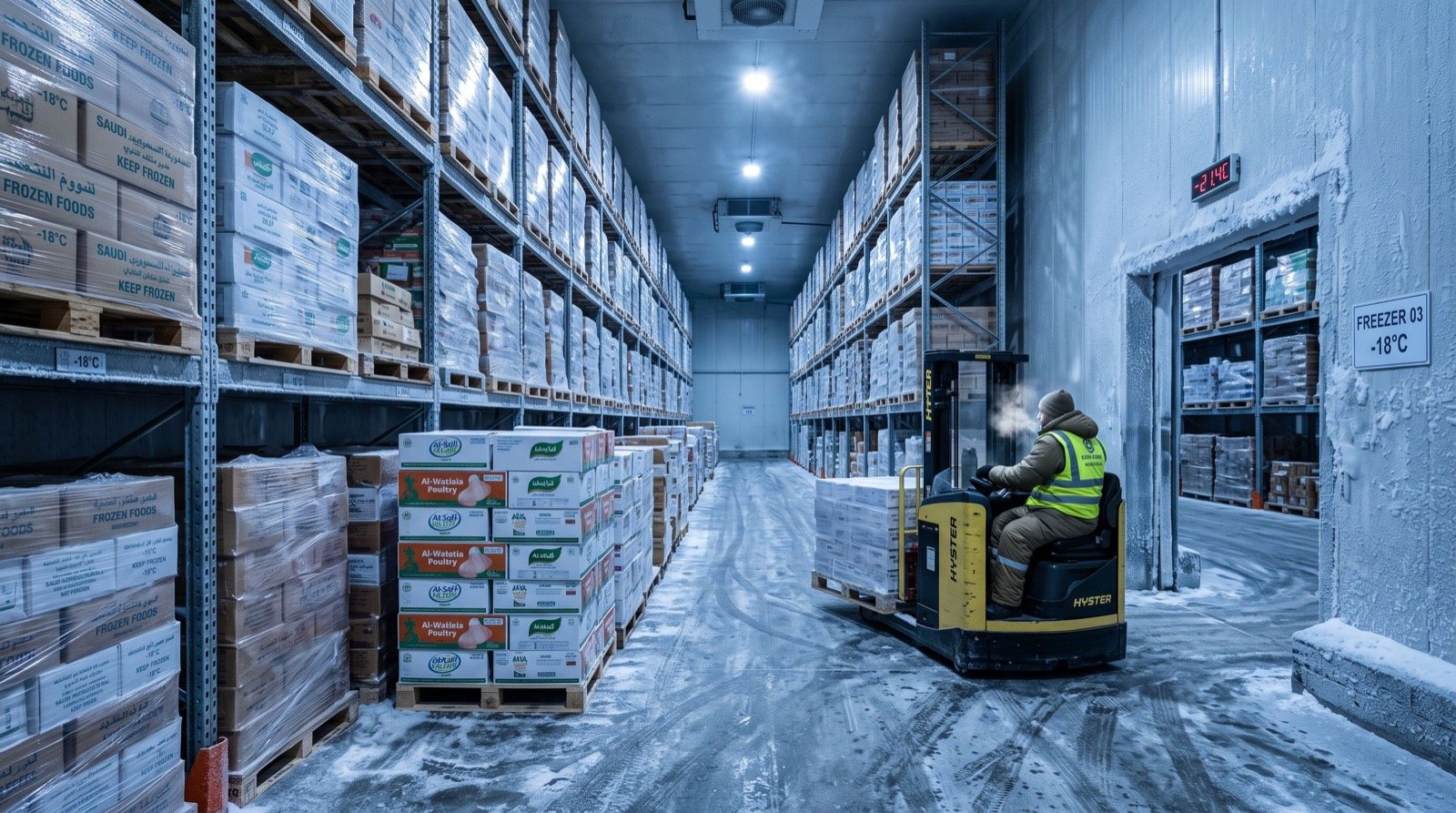
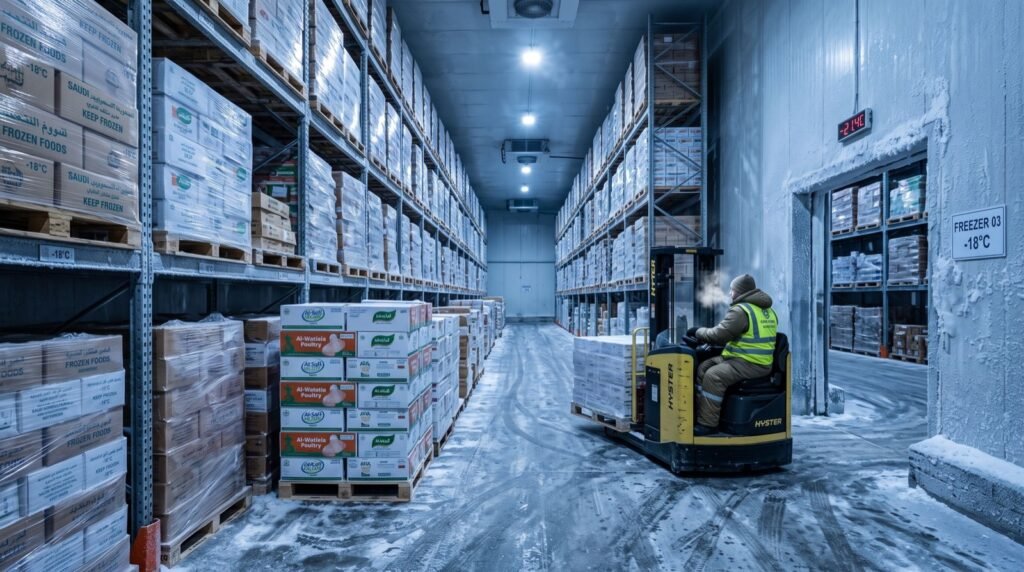
Frozen storage keeps product at or below -18°C, which is the threshold most food safety authorities use to define “frozen” for commercial purposes. Facilities offering genuine frozen capacity run dedicated refrigeration plants, insulated panel construction, and strict door-opening protocols to prevent temperature spikes during loading.
If your business handles seafood, frozen poultry, or dairy-based desserts, a reliable provider of Frozen Storage in Jeddah gives you the cold-chain continuity that regulators and customers both expect. Losing even a few hours of consistent temperature can spoil an entire pallet, so the facility’s backup power and monitoring systems matter as much as the headline temperature rating.
According to the Saudi Food and Drug Authority, cold-chain food handlers must maintain continuous temperature logs and rapid response protocols for any deviation — a requirement that only facilities with real-time monitoring can comfortably meet.
Ambient Storage in Jeddah: The Flexible Option
Not every product needs refrigeration, and forcing dry goods into cold storage wastes money. Ambient storage in Jeddah keeps conditions at normal room temperature with humidity control, which suits textiles, electronics, spare parts, and most retail merchandise.
A good Ambient Storage in Jeddah provider still offers pest control, fire suppression, and 24-hour security — the difference is simply the absence of refrigeration overhead, which keeps rental rates meaningfully lower per square meter.
Many growing businesses split their inventory: fast-moving ambient stock near the front of the warehouse for quick picking, and frozen or chilled stock in a separate climate zone. This hybrid approach is now common across Jeddah’s industrial districts as companies try to control costs without sacrificing product quality.
Comparing Frozen and Ambient Storage
| Factor | Frozen Storage | Ambient Storage |
|---|---|---|
| Typical temperature | -18°C or lower | 20°C to 25°C, humidity controlled |
| Best for | Seafood, meat, dairy, frozen bakery | Dry goods, electronics, furniture, textiles |
| Relative cost per m² | Higher (energy intensive) | Lower (no refrigeration load) |
| Handling equipment | Insulated docks, cold-rated forklifts | Standard racking and forklifts |
| Compliance focus | Cold-chain logs, SFDA food rules | Fire safety, pest control |
Seasonal demand also plays a bigger role than most new importers expect. Frozen storage bookings in Jeddah typically spike in the weeks before Ramadan and again ahead of Hajj season, when food distributors stockpile meat, dairy, and bakery items to cover the surge in demand. A facility that runs near full capacity during these windows may quote standard rates but then struggle to guarantee space on short notice, so locking in capacity early in the year is worth far more than chasing a marginally cheaper rate later.
How to Choose the Right Provider
Price matters, but it should never be the only factor. A warehouse that cuts corners on backup generators or monitoring can cost you far more in spoiled inventory than you ever saved on rent. The same due diligence that goes into picking quality service providers for any part of your supply chain applies directly to storage operators — check their track record before signing anything.
- Confirm the facility’s backup power setup and how fast it switches over during an outage.
- Ask for sample temperature logs from the past month, not just a brochure claim.
- Check proximity to Jeddah Islamic Port or King Abdulaziz International Airport if you import regularly.
- Review the contract’s liability terms for spoilage caused by facility failure, not your own handling error.
- Visit in person — a five-minute walk-through reveals more than any sales call.
- Ask what happens to your reserved capacity during peak seasonal demand before you need it most.
One practical tip from operators who have managed both storage types: schedule a trial month before committing to a long-term lease. A short trial exposes issues with loading dock scheduling, staff responsiveness, and real-world temperature stability that a sales pitch will never mention.
Frequently Asked Questions
What temperature counts as frozen storage in Jeddah?
Most commercial frozen storage facilities in Jeddah maintain -18°C or colder, matching international food safety standards for long-term frozen product holding.
Is ambient storage suitable for electronics?
Yes. Ambient storage with humidity control is ideal for electronics, since excess moisture — not temperature alone — is the main risk to circuit boards and packaging.
How much does frozen storage typically cost compared to ambient?
Frozen storage usually costs more per square meter because of continuous refrigeration energy use, while ambient storage carries lower utility overhead and therefore lower rental rates.
Can one business use both frozen and ambient storage together?
Absolutely. Many Jeddah businesses split inventory between a frozen zone for perishables and an ambient zone for dry goods within the same warehouse complex to balance cost and product needs.
Final Thoughts
Whether you need frozen storage in Jeddah for perishable goods or ambient space for general inventory, the decision comes down to matching facility capability with your product’s real requirements. Visit the site, review the compliance documentation, and test the relationship on a short lease before scaling up. Businesses that take this approach in 2026 consistently report fewer spoilage incidents and smoother port-to-shelf logistics than those that chose on price alone.